Key trends shaping programmatic advertising in 2026

After a softer-than-expected close to 2025, the early months of 2026 have continued that subdued trend. For creators and publishers tracking programmatic revenue, it’s been an exercise in patience as advertisers navigate a volatile environment.
While we anticipate this measured pace will persist through the first half of the year, we’re optimistic about the second half. We believe the third and fourth quarter will bring meaningful year-over-year improvement, based on the trends we’ll discuss below. Conditions in advertising can shift quickly, but understanding what’s at play helps us prepare, adapt, and keep you ahead of the game.
At Raptive, we’ve made it a priority to stay ahead of market dynamics, investing in direct relationships, contributing to industry standards, and building the technology infrastructure to position you for success regardless of economic conditions.
Here are the trends we’re watching, and what we’re doing to stay in front.
3 macro factors shaping 2026 ad spend
Three broad factors are impacting ad budgets this year, and understanding them helps contextualize current market conditions.
Major sporting events
As the Winter Olympics and Paralympics wrap, advertiser attention turns to the FIFA World Cup, kicking off in June and hosted in North America for the first time since 1994. Advertisers are allocating significant portions of their budgets to these tentpole events, especially around broadcast and sponsorship placements, which can temporarily draw dollars away from programmatic channels.
Economic and political uncertainty
Brands historically tighten budgets when the future feels unpredictable, and we’re seeing that caution reflected in current spending patterns.
Retail media networks
Advertising platforms operated by retailers like Amazon, Walmart, and Target are rapidly expanding, allowing brands to reach consumers at the point of purchase. Our direct sales team works with the ten largest retail media networks, along with many smaller ones, viewing them as partners to create more value for creators and publishers. Instead of seeing these platforms as competitors, we’re treating them as collaborators, which allows us to participate in retail media’s growth rather than simply cede ground.
New priorities for demand-side platforms
Demand-side platforms, or DSPs, are the technology systems advertisers and agencies use to purchase digital advertising. In milliseconds, these platforms decide which ads to show, to whom, and at what price.
DSPs traditionally associated more impressions with more money. But we’re seeing a shift, where DSPs are increasingly focused on outcomes. Advertisers want results: completed video views, site visits, purchases, or other meaningful actions. In other words—the old math is dead.
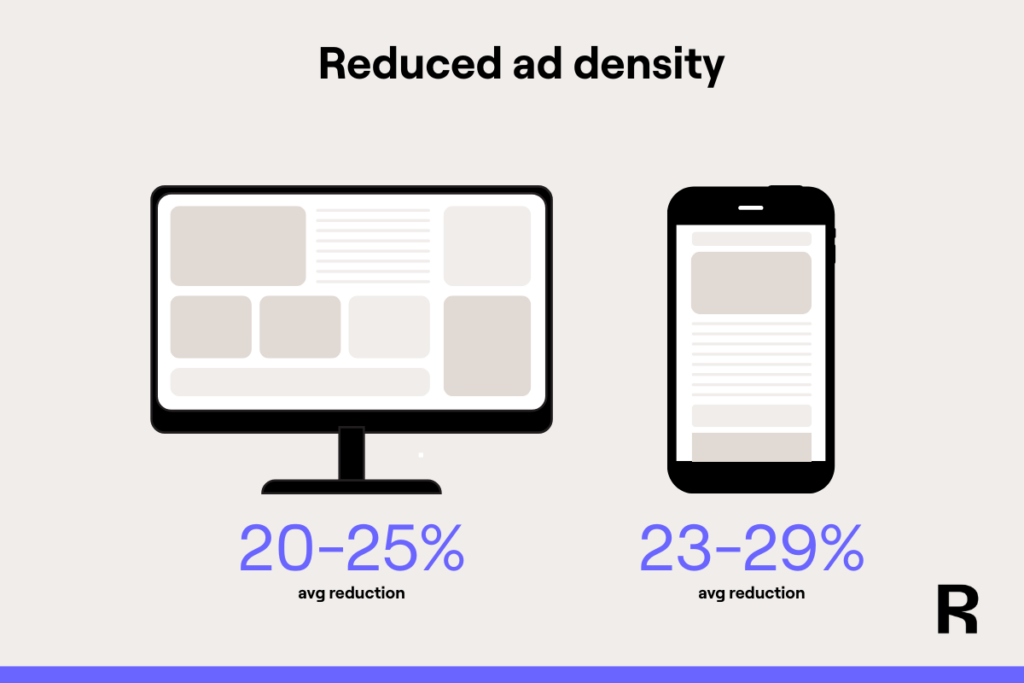
For creators and publishers, this means quality and performance matter more than ever. The metrics that once defined “premium” inventory are evolving, and we are too. We make sure our inventory goes beyond viewability standards to actively drive the outcomes advertisers want. That includes improving page experiences and thoughtfully limiting ad density, so on-page ads face less competition, capture more attention, and are more likely to drive meaningful engagement.
We also have longstanding direct relationships with major DSPs, which is a major advantage in a world where publishers often connect to DSPs through supply-side platforms, or SSPs. We see increased spend through these direct paths, thanks to more efficient transactions and clearer data.
Advancing standards and emerging technology
One of the industry’s biggest challenges is transparency into the process of buying, selling, pricing, and delivery of programmatic ads. But it’s also a major opportunity—the more confidence advertisers have about where their ads appear and how auctions work, the more they’ll invest in programmatic channels.
At Raptive, we’re actively improving transparency infrastructure by:
- Working with the Media Rating Council (MRC) on new auction standards documentation
- Co-authoring the IAB Tech Lab’s Programmatic Auction Definitions document
- Engaging in IAB Tech Lab working groups to improve ads.txt, sellers.json, and supply chain specifications
At the same time, AI is transforming everything, including the advertising industry. We’re focused on agentic advertising, emerging AI systems that can autonomously make advertising decisions, negotiate deals, and optimize campaigns with minimal human intervention.
As a founding member of the Agentic Advertising Organization, we’re collaborating with industry leaders to establish standards and best practices as this technology develops. As AI shapes advertising, we’re making sure it creates opportunities for publishers and creators, not just platforms.
Looking ahead
Despite early headwinds, we’re confident in the year’s trajectory. The fundamentals remain strong: audiences spend time online, advertisers need effective ways to reach them, and the infrastructure supporting programmatic advertising continues to improve.
Our investments in DSP relationships, shaping industry standards, and staying ahead of emerging technology position Raptive creators and publishers to continue earning top ad dollars while remaining among the most-trusted companies and valuable destinations for advertisers across the open web.
 `
`
 `
`
 `
`